

For most of human history, space was something people only observed from the ground. Ancient civilizations looked at the stars with curiosity and imagination, but the idea of traveling beyond Earth was once considered impossible. That changed dramatically in the 20th century when rockets began carrying satellites, astronauts, and robotic explorers into space.
Today, space exploration has entered a new era. Governments, scientists, and private companies are planning missions that could fundamentally reshape humanity’s future. From establishing human settlements on the Moon and Mars to exploring distant planets and asteroids, the next few decades may mark the beginning of humanity’s expansion beyond Earth.
The future of space exploration is not only about scientific discovery. It could influence technology, global cooperation, and even the long-term survival of our species.
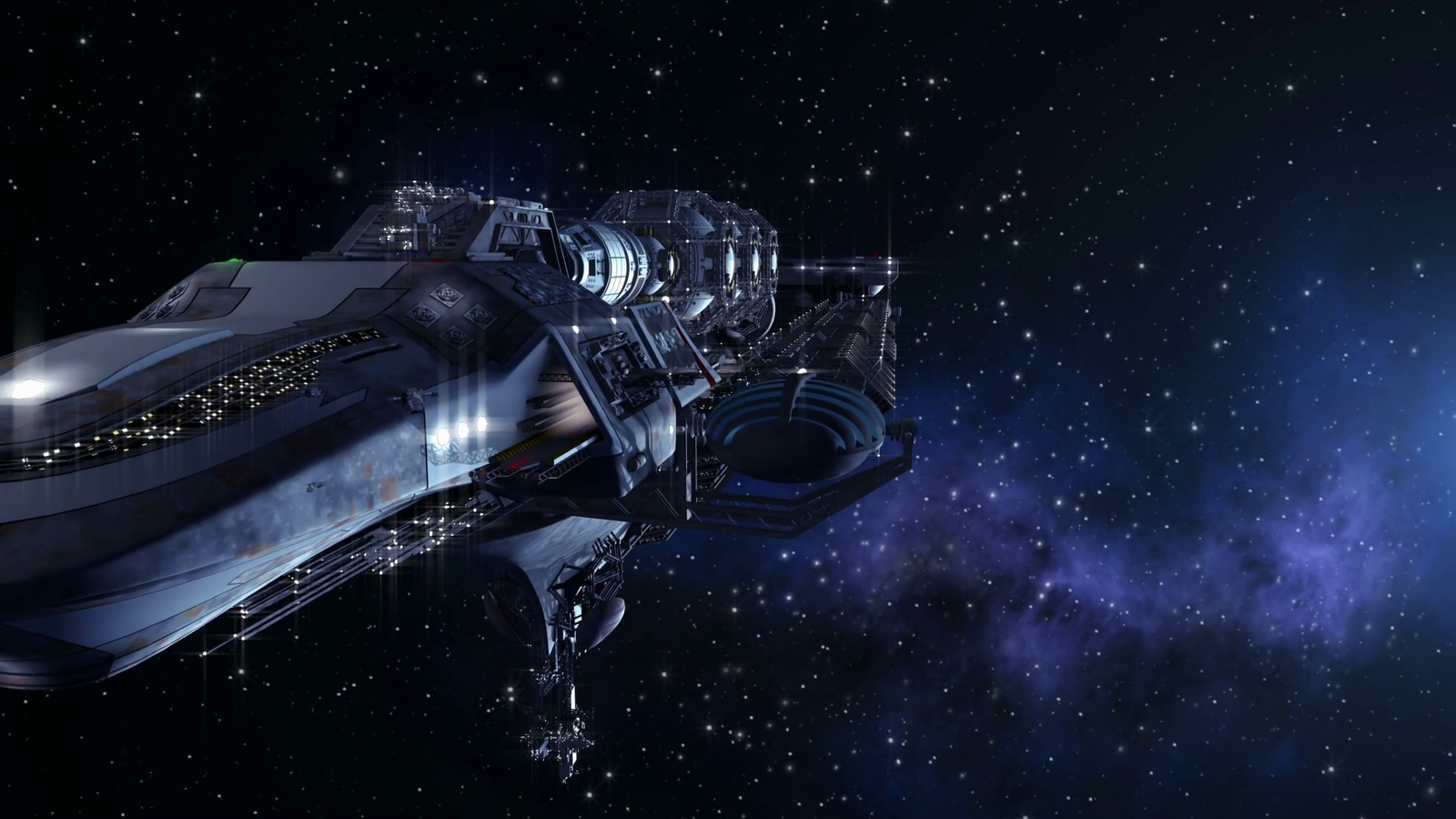
Scientists believe the coming decades could mark the beginning of a new era where humans become a multi-planetary civilization, exploring the Moon, Mars, and beyond.
The New Era of Lunar Exploration
The Moon is once again becoming a central target for space agencies around the world. After decades of limited activity following the Apollo missions, scientists now see the Moon as an important stepping stone for deeper space exploration.
Modern missions aim to do far more than simply land astronauts on the lunar surface. Space agencies are planning to build permanent lunar bases that can support scientific research and long-term human presence. These bases could serve as testing grounds for technologies required for future missions to Mars.
The Moon also holds valuable scientific resources. Researchers believe its surface contains frozen water near the polar regions. This water could be used for drinking, producing oxygen, and even creating rocket fuel. If such resources are successfully utilized, the Moon could become a critical supply station for missions traveling deeper into the solar system.
Mars: The Next Frontier for Humanity
Among all planets in our solar system, Mars is considered the most realistic destination for future human exploration. Scientists believe that billions of years ago Mars may have had rivers, lakes, and possibly even oceans.
Several robotic missions have already been sent to study the Martian surface and atmosphere. These missions are helping scientists understand whether the planet once supported life and whether it could support human habitation in the future.
Future Mars missions aim to achieve several major goals:
landing astronauts on the planet
establishing temporary research stations
searching for signs of ancient microbial life
studying how humans can survive in Martian conditions
If these missions succeed, Mars could become the first planet where humans attempt long-term settlement beyond Earth.
Deep Space Exploration Beyond the Solar System
While missions to the Moon and Mars are major priorities, scientists are also looking far beyond our solar system. Powerful telescopes and space observatories are helping astronomers discover thousands of planets orbiting distant stars.
Some of these planets exist within the habitable zone, meaning conditions there might allow liquid water to exist. This raises fascinating possibilities about the existence of life elsewhere in the universe.
Future deep space missions may focus on studying these distant planetary systems more closely. Advanced telescopes could analyze the atmospheres of exoplanets and detect chemical signatures that might indicate biological activity.
Although sending spacecraft to other star systems remains extremely challenging with current technology, scientific research is steadily moving toward that long-term goal.
Asteroid Mining and Space Resources
Another emerging area of space exploration involves the study and potential use of asteroid resources. Many asteroids contain valuable metals and minerals such as iron, nickel, platinum, and rare elements.
These resources could play an important role in future space economies. Instead of launching all materials from Earth, future missions might obtain raw materials directly from asteroids.
Scientists also believe that certain asteroids contain large quantities of water ice. This water could support astronauts on long missions or be converted into hydrogen and oxygen for rocket fuel.
If asteroid resource technologies become practical, they could significantly reduce the cost of space exploration and enable longer missions.
Private Space Companies and the New Space Race
Space exploration is no longer limited to government space agencies. In recent years, private companies have become major players in the development of space technology.
Commercial spaceflight companies are building reusable rockets, launching satellites, and developing spacecraft designed to carry humans into orbit. These advancements are dramatically reducing the cost of accessing space.
Private companies are also exploring ambitious ideas such as:
space tourism
commercial space stations
cargo transport between Earth and space habitats
This growing partnership between government space programs and private companies is accelerating innovation in the space industry.
Protecting Earth Through Space Research
Space exploration is not only about reaching distant destinations. It also helps scientists better understand our own planet.
Satellites and space observatories monitor climate patterns, natural disasters, and environmental changes on Earth. Space research also helps track asteroids that could potentially pose a threat to our planet.
By studying the universe, scientists gain valuable insights into planetary systems, atmospheric processes, and cosmic phenomena that influence life on Earth.

To understand why scientists are exploring the universe so deeply, it also helps to know how everything began. Our article The Big Bang: The Moment When Nothing Became Everything explains the origins of the universe and the cosmic evolution that followed.
Artificial intelligence is also playing a growing role in modern space missions. Our article How AI Is Used in Everyday Life explores how AI technologies are transforming many industries, including space research.
Humanity’s Long-Term Future in Space
Looking centuries ahead, some scientists believe humanity may eventually establish multiple settlements beyond Earth. These settlements could exist on the Moon, Mars, and possibly even artificial habitats built in space.
Such developments would mark a profound transformation in human civilization. Expanding beyond Earth could help ensure the long-term survival of humanity while opening opportunities for scientific discovery and technological progress.
While these possibilities may seem distant today, the foundations for that future are already being built through the missions currently being planned.
Conclusion
The future of space exploration holds extraordinary possibilities. From lunar bases and human missions to Mars to the search for life on distant planets, the coming decades could transform our understanding of the universe and our place within it.
Every new mission brings humanity closer to answering some of the biggest questions ever asked: Are we alone in the universe? Can humans live on other worlds? What lies beyond the boundaries of our solar system?
The journey into space is still in its early stages. But the missions being planned today may one day define the next chapter of human history.
Read More Interesting Content in My Blog Section.
FAQ – The Future of Space Exploration
1. What is the future of space exploration?
The future of space exploration includes human missions to Mars, permanent lunar bases, asteroid mining, and the exploration of distant planets beyond our solar system. Advances in technology and international cooperation are expected to make space exploration more accessible and scientifically productive in the coming decades.
2. Will humans live on Mars in the future?
Scientists believe humans may eventually establish research stations or colonies on Mars. Several space agencies and private companies are already developing technologies that could allow astronauts to live and work on the Red Planet for extended periods.
3. Why is the Moon important for future space missions?
The Moon could serve as a gateway for deeper space exploration. Its lower gravity makes it easier to launch spacecraft to other destinations, and scientists believe it contains valuable resources such as water ice that could support future missions.
4. What role will private companies play in space exploration?
Private space companies are becoming major contributors to the space industry. They are developing reusable rockets, launching satellites, and planning commercial space stations and tourism missions, which are helping reduce the cost of space travel.
5. Could humans explore other star systems in the future?
Exploring other star systems remains a long-term scientific goal. While current technology is not yet capable of sending humans to distant stars, researchers are studying advanced propulsion systems and spacecraft designs that may make interstellar exploration possible in the future.