Is Astrology Real? The Hidden Science Behind Planets, Patterns, and Human Life

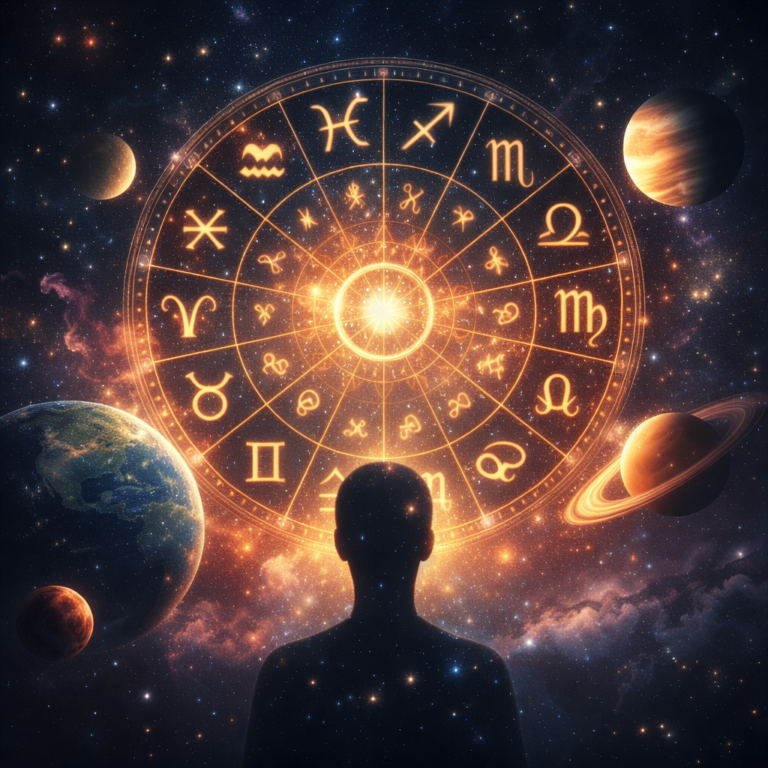
Is astrology real or just belief? Explore the scientific reasoning and Vedic knowledge behind astrology and its connection to cosmic patterns.
Vedic Knowledge delves into the wisdom of ancient Indian texts, traditions, and philosophies. This category explores Vedas, Upanishads, Ayurveda, yoga, and spiritual insights, connecting timeless knowledge with modern understanding for holistic growth and inner awareness.

Is astrology real or just belief? Explore the scientific reasoning and Vedic knowledge behind astrology and its connection to cosmic patterns.

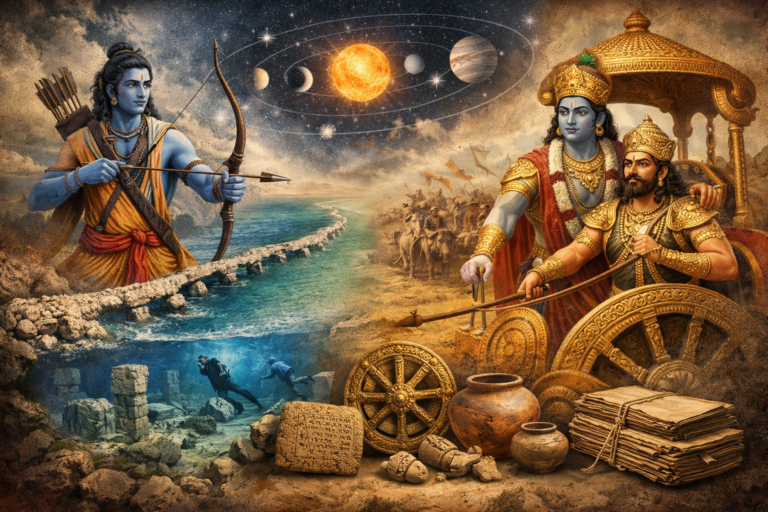
Explore compelling evidence from archaeology, geography, and astronomy that reveals why Ramayana and Mahabharata are far more than just stories.

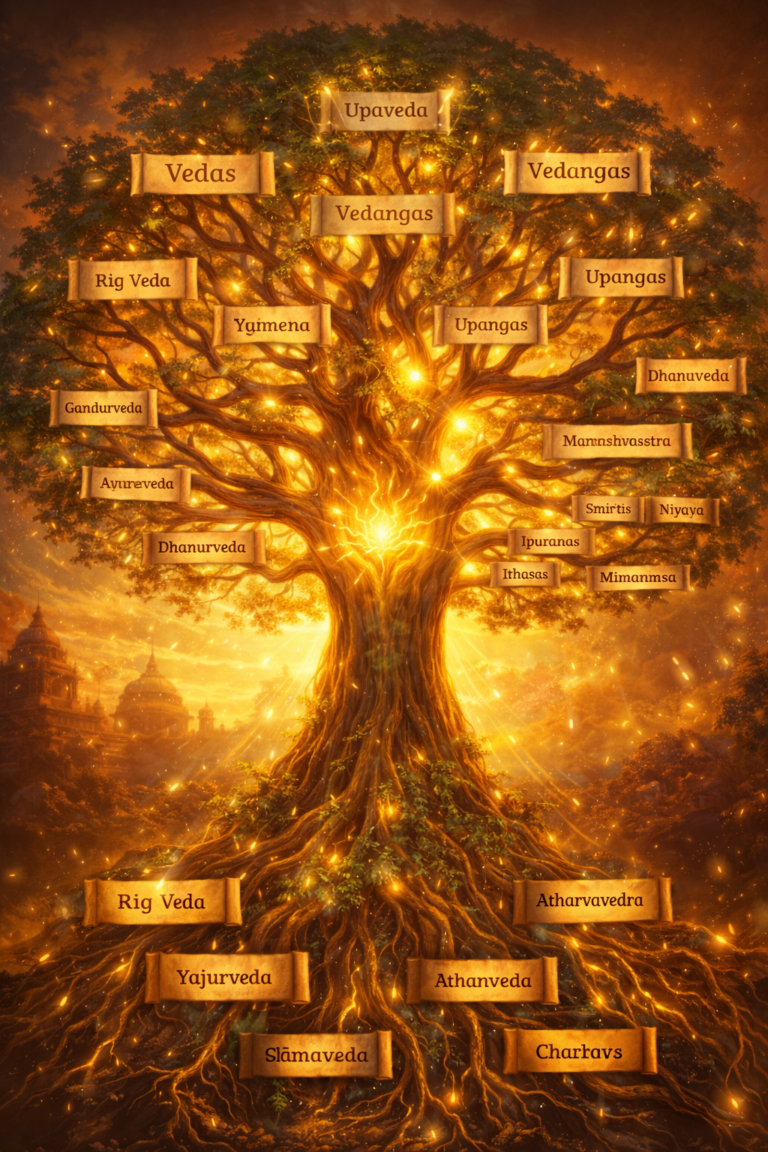
A visually powerful representation of the Sacred Scripture Tree of Sanatan Dharma, showcasing the interconnected wisdom of Vedas, Upanishads, Darshanas, and ancient knowledge systems.

Giloy, known as Amrita, is a divine herb rooted in Vedic tradition and modern science, offering powerful immunity, detoxification, and healing benefits.

Bhagavad Gita Chapter 5 explains the balance between renunciation and action, showing how selfless work without attachment leads to inner peace and true liberation.

Bhagavad Gita Chapter 4 reveals the deeper connection between knowledge and action, showing how true understanding can transform karma into a path of liberation and inner freedom.

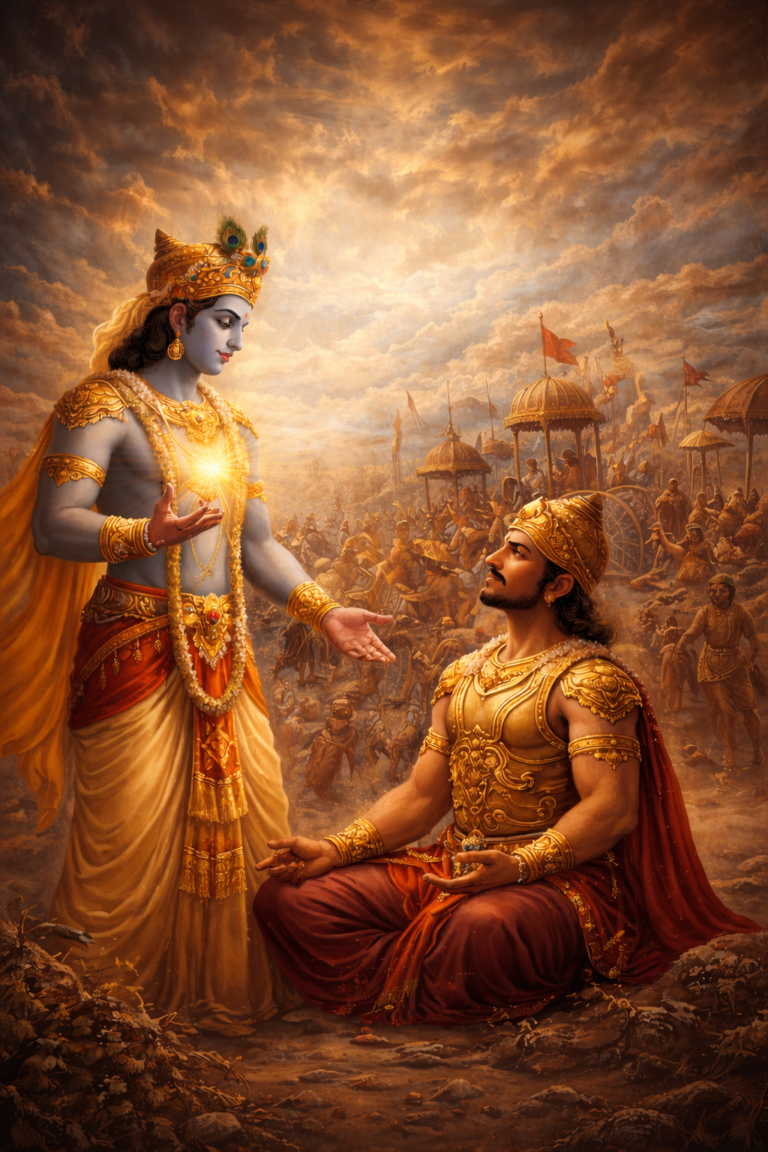
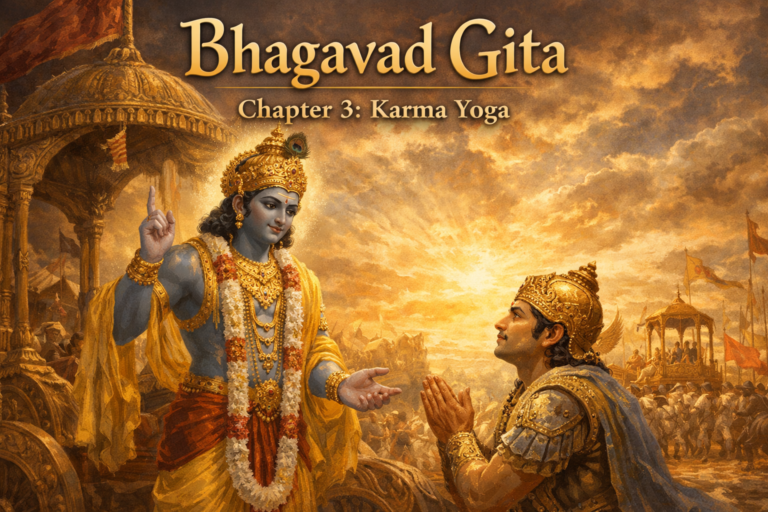
Bhagavad Gita Chapter 3 explains Karma Yoga — the path of selfless action. Lord Krishna teaches Arjuna that performing one’s duty without attachment to results leads to inner freedom, wisdom, and spiritual growth.

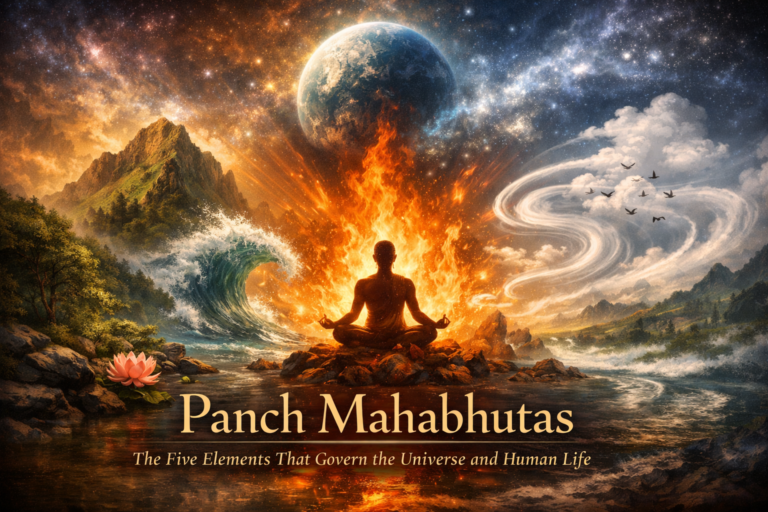
The ancient Vedic concept of Panch Mahabhutas describes the five fundamental elements—Earth, Water, Fire, Air, and Space—that form the foundation of the universe and human life. This timeless philosophy explains how these elements interact to maintain balance in nature, health, and consciousness.

In Chapter 2 of the Bhagavad Gita, Krishna reveals the eternal nature of the soul, the science of detached action, and the qualities of a person with steady wisdom. Sankhya Yoga lays the philosophical foundation for Karma Yoga and transforms despair into clarity.

In Chapter 1 of the Bhagavad Gita, Arjuna stands at the center of Kurukshetra and faces an intense moral and emotional crisis. Overwhelmed by compassion, fear, and confusion, he lowers his Gandiva bow, marking the beginning of the divine dialogue that transforms despair into wisdom.