

When Logic Fails, But Experience Doesn’t
It usually begins in silence.
A room that feels… heavier than it should.
A sudden chill with no source.
The unmistakable sensation that you are not alone, even when every rational part of your mind insists otherwise.
Most people dismiss such moments.
Some fear them.
Very few stop and ask the right question:
👉 What if these experiences are not illusions… but glimpses of a reality we don’t yet understand?
The word “paranormal” has long been associated with superstition. But when similar experiences are reported across cultures, centuries, and even among rational individuals, dismissing them entirely becomes intellectually dishonest.
This is not about belief.
This is about investigation.
What Is Paranormal — Beyond Stories and Fear
The term paranormal does not mean “ghosts.”
It means:
👉 Beyond the limits of current scientific explanation
It includes:
- Apparitions and sensed presences
- Near-death experiences (NDEs)
- Out-of-body experiences (OBEs)
- Déjà vu and precognitive dreams
- Sleep paralysis encounters
What makes this intriguing is not the events themselves…
👉 It is the consistency of human experience.
People who have never met, from entirely different cultures, describe:
- Similar shadow-like figures
- Similar sensations of being watched
- Similar experiences during altered states of consciousness
Coincidence becomes unlikely at this scale.
The Scientific Lens — Explanations… and Limitations
Science attempts to explain the paranormal through known mechanisms.
Common Explanations:
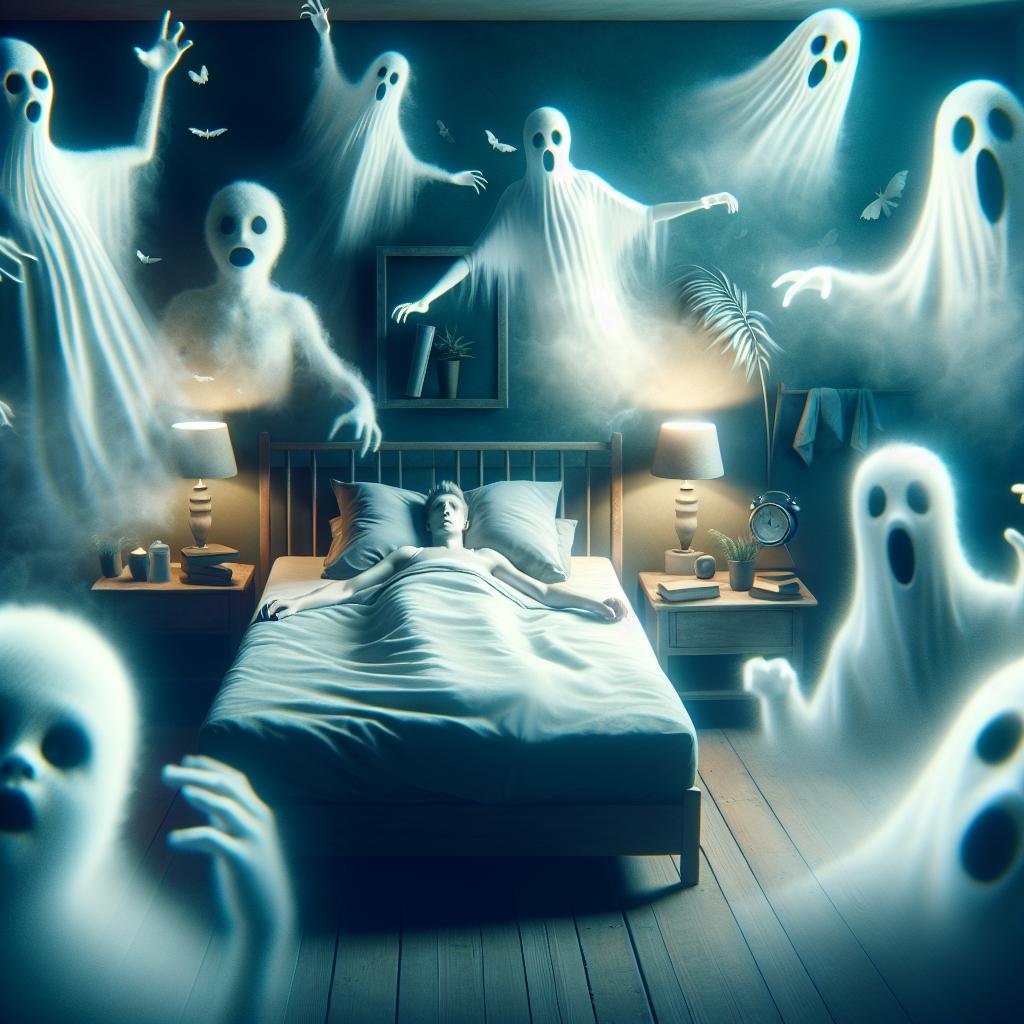
1. Sleep Paralysis
A state where:
- Mind is awake
- Body is immobilized
- Vivid hallucinations occur
People often report:
👉 A dark presence sitting near them
👉 Pressure on the chest
👉 A sense of fear beyond explanation
But here’s the unsettling detail:
People across the world describe almost identical entities.
2. Electromagnetic Field (EMF) Exposure
Research suggests:
- Certain EM frequencies can stimulate the temporal lobe
- This can create a “presence hallucination”
But again:
👉 Why do these hallucinations follow patterns?
3. The Brain as a Pattern Machine
The brain constantly:
- Interprets signals
- Creates meaning
- Fills gaps
Yet even neuroscientists admit:
👉 Consciousness itself is still unexplained.
The Deeper Question — What If the Brain Is Not the Source?
Modern science faces a fundamental problem:
👉 It can measure brain activity
👉 But it cannot explain subjective experience
This leads to a radical but growing idea:
👉 Consciousness may not be produced by the brain—it may be received by it.
Like a radio:
- The device does not create the signal
- It tunes into it
If this is true:
👉 Human perception is limited
👉 Reality extends beyond sensory boundaries
And in rare conditions—fatigue, trauma, altered states—
👉 the “filter” may weaken
Allowing glimpses of something… else.
To explore how the universe itself may contain hidden layers beyond our current understanding, you can read this deep analysis on What Happened Before the Big Bang? The Untold Beginning of the Universe, which connects closely with the idea of unseen dimensions.
Vedic Insight — Knowledge That Predates Modern Science
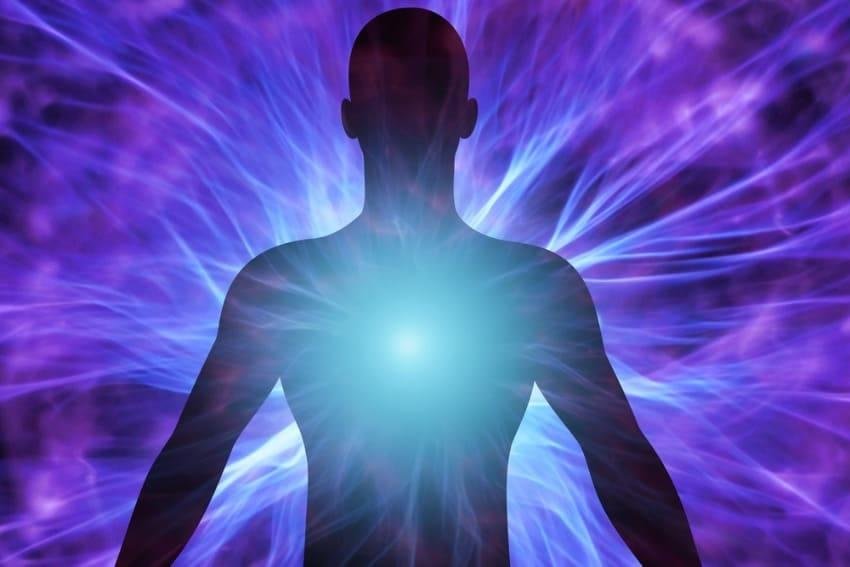
Long before neuroscience, the Vedas described a multi-layered existence.
Key Concepts from Vedic Knowledge:
1. Sukshma Sharir (Subtle Body)
According to texts like the Upanishads:
- The human being is not just physical
- There exists a subtle body made of energy and consciousness
This body:
- Survives physical death
- Interacts beyond physical limitations
2. Panchakosha Theory (Five Layers of Existence)
Described in the Taittiriya Upanishad:
- Physical body (Annamaya)
- Energy body (Pranamaya)
- Mental layer (Manomaya)
- Wisdom layer (Vijnanamaya)
- Bliss/consciousness layer (Anandamaya)
👉 Paranormal experiences may occur when awareness shifts between these layers.
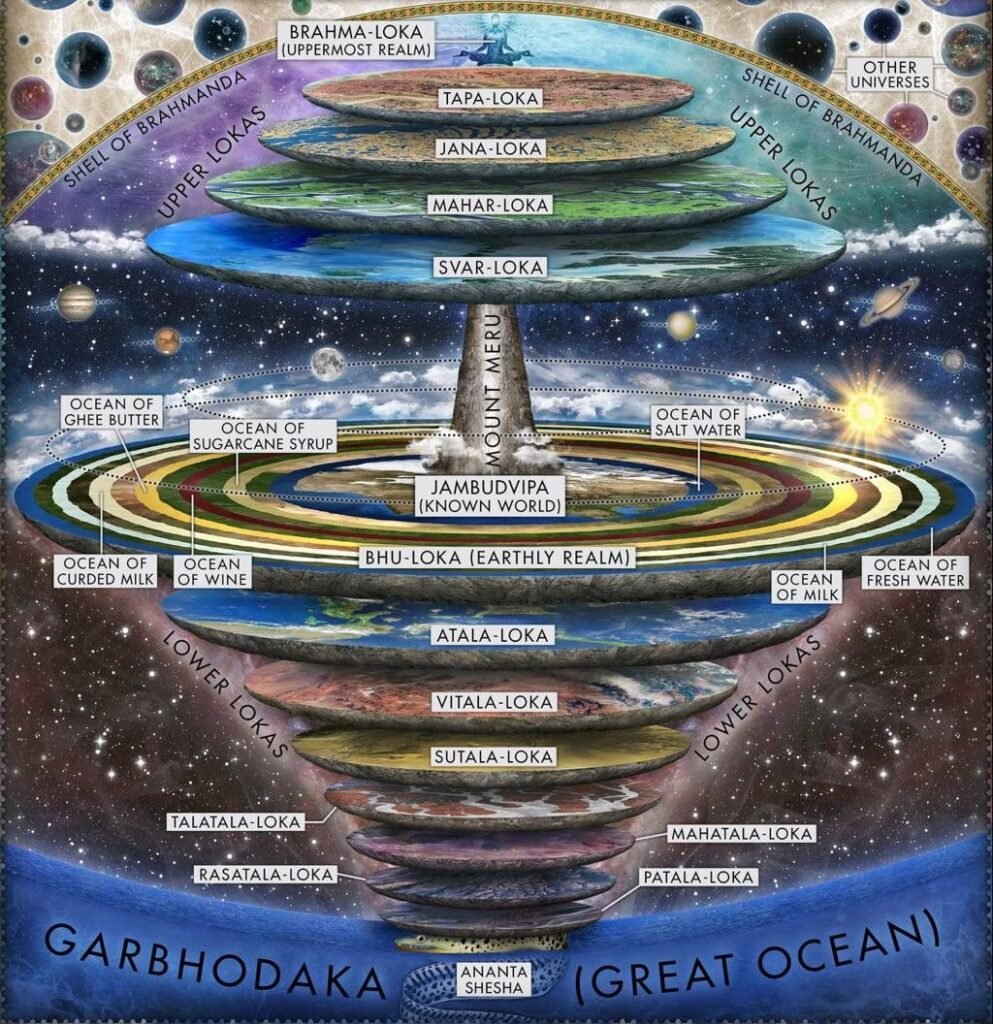
3. Lokas — Multiple Realities
Vedic cosmology describes:
- Multiple planes of existence
- Not all accessible through normal senses
This aligns with modern theoretical physics exploring multi-dimensional reality.
The Thin Line — Where Experience Turns Disturbing
There are moments when the line between explanation and experience blurs.
A person wakes up, unable to move.
The room is silent.
But in the corner—
👉 something stands.
Not fully visible.
Not fully defined.
But undeniably present.
It doesn’t move.
It doesn’t speak.
Yet the mind knows:
👉 It is aware of you.
Is this fear-generated illusion?
Or is fear a response to something real but unknown?
Modern research is also beginning to explore altered states of perception, including sleep-related experiences. A detailed study on Sleep paralysis and its neurological basis explains how such intense sensations can occur during transitions between sleep and wakefulness.
A Scientific Parallel — Limited Perception
Humans can perceive:
- Less than 1% of the electromagnetic spectrum
- A narrow range of sound frequencies
This means:
👉 Most of reality is invisible and inaudible to us
So the question becomes:
👉 Are we surrounded by layers of existence we simply cannot detect?
To explore this idea further, you can read this deep analysis on human consciousness and the greatest mystery of the brain, which connects directly to how perception shapes reality.
Final Thoughts — Not Fear, But Expansion
The paranormal does not demand blind belief.
It demands intellectual honesty.
Not everything unexplained is false.
Not everything understood is complete.
Science is evolving.
Ancient wisdom is resurfacing.
And between them lies a possibility:
👉 Reality is far larger than human perception.
What we call paranormal today…
may simply be normal—beyond our current understanding.
Read More Interesting Content in My Blog Section.
FAQ
1. Is paranormal scientifically proven?
Not fully, but many aspects remain unexplained.
2. Why do people experience similar paranormal events?
Possibly due to shared neurological patterns—or shared exposure to unseen reality.
3. What do Vedas say about such experiences?
They describe multiple layers of existence beyond the physical.
4. Should we fear paranormal phenomena?
Fear comes from ignorance—understanding transforms it into curiosity.