
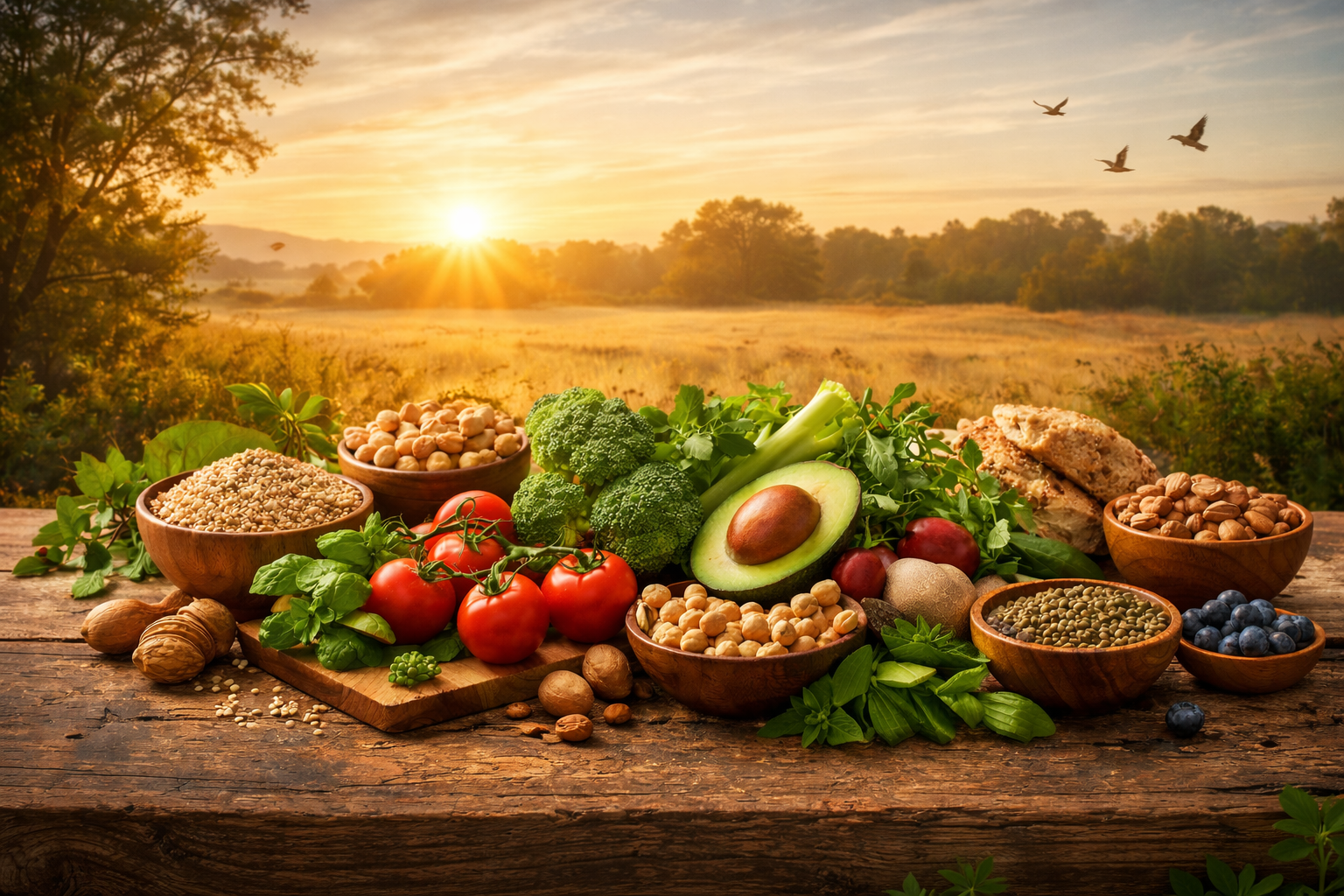

Looking beyond taste and tradition to understand what truly nourishes the human body, mind, and spirit.
For most people, food is simply a daily routine—something we eat without questioning deeply. Yet food is not just fuel; it shapes our health, emotions, consciousness, and even the world around us.
Throughout human history, philosophers, scientists, and spiritual traditions have emphasized one simple idea: what we eat becomes part of us.
Today, as awareness grows about health, environmental sustainability, and ethical living, more people are reconsidering their relationship with food. Among these discussions, one lifestyle continues to stand out—not just as a diet, but as a philosophy of living: vegetarianism.
This article explores the scientific, ethical, and spiritual reasons why many believe that plant-based food represents a natural and harmonious way for humans to live.
Understanding What “Food” Truly Means
Before debating vegetarian or non-vegetarian diets, it is worth asking a deeper question: what exactly qualifies as food?
In a simple sense, food should fulfill three conditions:
It should nourish the body.
It should support long-term health and vitality.
It should cause minimal harm to ourselves, other beings, and the environment.
If a substance gives short-term pleasure but contributes to long-term disease or suffering, can it truly be called ideal nourishment?
Just as using kerosene might temporarily power a petrol engine but damage it over time, the human body also functions best when it receives the type of fuel it evolved to process efficiently.
Many researchers now argue that whole plant foods—grains, legumes, fruits, vegetables, nuts, and seeds—fit these criteria remarkably well, offering nutrition with minimal environmental impact.
Are Plant Foods Nutritionally Complete?
One of the most common beliefs is that animal products are essential because they contain “rich nutrients.” However, modern nutritional science shows that a well-planned vegetarian diet can provide every major nutrient required for human health.
Key nutrients easily obtained from plant sources include:
Protein: lentils, chickpeas, beans, soy products, nuts
Iron: spinach, legumes, seeds, fortified grains
Calcium: sesame seeds, leafy greens, tofu, almonds
Omega-3 fatty acids: flax seeds, chia seeds, walnuts
Fiber: abundant in almost all plant foods
In fact, several large health organizations—including the Academy of Nutrition and Dietetics—state that appropriately planned vegetarian diets are healthy, nutritionally adequate, and may reduce the risk of many chronic diseases.
Plant-based diets are often associated with:
lower cholesterol levels
reduced risk of heart disease
lower incidence of type 2 diabetes
improved digestive health
healthier body weight
This does not mean every vegetarian diet is automatically healthy—processed foods can still cause problems—but whole plant foods offer remarkable nutritional richness.
“Modern research continues to highlight the health benefits of plant-based diets, showing that diets rich in vegetables, fruits, grains, and legumes support long-term cardiovascular and metabolic health.”
What Does Human Biology Suggest?
Another interesting perspective comes from comparative anatomy.
When scientists compare herbivores, carnivores, and omnivores, they notice patterns in anatomy:
Carnivores typically have:
sharp tearing teeth
very acidic stomachs
short digestive tracts designed to quickly process meat
Herbivores generally have:
flat molar teeth for grinding
longer intestines
digestive systems suited for fiber-rich foods
Humans possess features that resemble plant-adapted animals more than strict carnivores:
flat molars for grinding
relatively long intestines
saliva enzymes that begin carbohydrate digestion
This does not mean humans cannot digest animal foods at all—humans are adaptable—but it suggests that plant foods align naturally with our digestive design.
The Ethical Dimension: Compassion and Humanity
Beyond nutrition and biology lies a deeper question: what kind of relationship should humans have with other living beings?
For thousands of years, philosophers and spiritual teachers across cultures have emphasized compassion toward animals.
From the principle of “Ahimsa” (non-violence) in ancient Indian philosophy to modern animal welfare movements, the message is consistent:
“The more compassionate a society becomes, the more it avoids unnecessary harm to other creatures.”
Today, many people choose vegetarianism because they believe that reducing harm to animals is a natural extension of human empathy.
In modern food systems, billions of animals are raised and slaughtered each year. For some individuals, becoming vegetarian is simply a way of aligning daily habits with their personal values of kindness and responsibility.
Environmental Impact of Our Food Choices
Food choices do not affect only our bodies—they also influence the planet.
Numerous environmental studies show that livestock production requires far more land, water, and energy than growing plant foods.
For example:
raising animals requires large quantities of grain and water
livestock agriculture contributes significantly to greenhouse gas emissions
deforestation often occurs to create grazing land
In contrast, plant-based diets generally have a much smaller ecological footprint.
As climate change becomes a global challenge, many scientists believe that shifting toward plant-centered diets could significantly reduce environmental pressure.
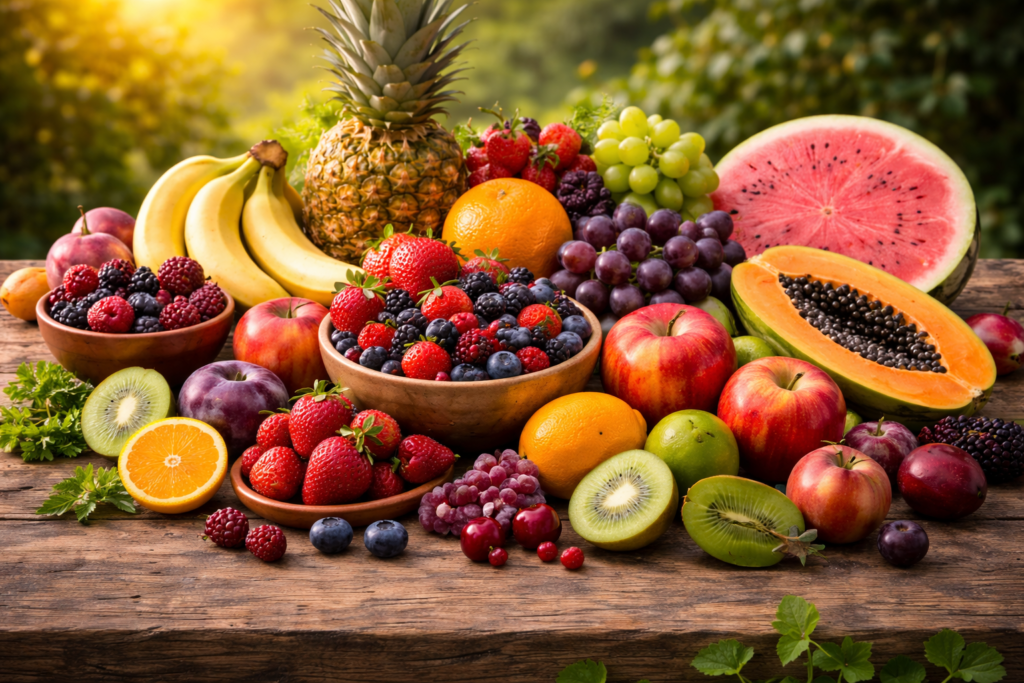
The ancient Indian medical system discussed in Ayurveda: The Science of Life Rooted in Atharvaveda also emphasizes the importance of natural, plant-based foods for maintaining balance in the body and mind.
Mental and Emotional Effects of Food
Food influences not only the body but also the mind and emotional state.
In many traditional philosophies, foods are categorized according to how they affect consciousness.
Ancient Indian texts often describe plant foods as “sattvic”—supportive of clarity, calmness, and balance.
While this classification is spiritual rather than strictly scientific, modern research also suggests connections between diet and mental well-being.
Diets rich in fruits, vegetables, whole grains, and healthy fats have been associated with:
improved mood
lower levels of inflammation
better cognitive function
This does not prove that one food automatically determines personality or morality, but it does highlight that nutrition can influence mental health and emotional stability.
Addressing the Question of Plants and Life
A thoughtful question often arises: if plants are living organisms, is eating plants also a form of harm?
Plants are indeed living systems. However, modern biology shows that plants lack a nervous system and brain structures associated with pain perception.
Furthermore, plant-based agriculture generally requires far fewer living organisms to be harmed compared with raising animals, since livestock themselves consume large amounts of plant crops.
Therefore, from an ethical perspective, many people see vegetarian diets as a way of minimizing harm as much as realistically possible.
Spiritual Perspectives on Food
Many spiritual traditions encourage diets that promote clarity of mind and compassion.
In the Bhagavad Gita, food is discussed in relation to its effect on consciousness, suggesting that certain foods promote harmony and balance.
Similarly, numerous spiritual teachers—from Mahatma Gandhi to Leo Tolstoy—have argued that non-violence in food choices reflects a deeper commitment to ethical living.
These teachings do not force a single dietary rule for everyone, but they encourage individuals to reflect on whether their food choices align with their personal spiritual values.
The Taste Argument
For many people, the main attraction of meat is simply taste and habit.
Taste is powerful—but it is also temporary. The pleasure from a meal often lasts only a few minutes, while the health and environmental consequences of dietary patterns accumulate over decades.
Interestingly, taste preferences are not fixed. Studies show that when people gradually shift toward plant-based foods, their palate adapts, and they begin to appreciate new flavors and textures.
Today, global cuisines offer thousands of delicious vegetarian dishes—from Mediterranean falafel to Indian dal, from vegetable stir-fries to plant-based burgers—showing that flavor does not have to rely on animal products.
A Personal Choice with Global Impact
Ultimately, dietary choices remain deeply personal. No single article can dictate what everyone should eat.
However, awareness is growing that vegetarian and plant-centered diets can support health, compassion, and environmental sustainability simultaneously.
Choosing plant foods more often—even if not perfectly—can create meaningful benefits:
improved long-term health
reduced environmental impact
greater alignment with ethical values
Sometimes, the most powerful changes begin with simple questions:
What kind of life do I want to support through my daily habits?
How do my food choices affect my body and the world around me?
When people ask these questions sincerely, many discover that plant-based living offers a path that nourishes both the body and the conscience.
A Balanced Ayurvedic Perspective on Food
One of the oldest medical systems in the world, Ayurveda, places enormous importance on food as the foundation of health. Classical Ayurvedic texts such as the Charaka Samhita and Sushruta Samhita emphasize that diet strongly influences both the body and the mind.
Ayurveda divides food into three broad categories based on its effect on human consciousness:
Sattvic foods – pure, nourishing, and calming (fruits, vegetables, grains, legumes, milk, nuts)
Rajasic foods – stimulating and activity-inducing
Tamasic foods – heavy, dulling, and often associated with lethargy
Plant-based foods are generally classified as sattvic, meaning they promote clarity, balance, and long-term well-being. Because of this, many Ayurvedic practitioners traditionally recommend a plant-centered diet for maintaining physical health and mental harmony.
Animal foods are sometimes described as heavier to digest and are usually advised only in specific medical circumstances, rather than as everyday dietary staples.
This perspective aligns with a central Ayurvedic principle:
“Food itself is the most powerful medicine when chosen wisely.”
Adopting a vegetarian diet can also complement the principles discussed in 5 Daily Habits for a Balanced Life, where mindful lifestyle choices contribute to long-term physical and mental well-being.
The Cardiovascular Evidence: Diet and Heart Disease
Heart disease remains the leading cause of death worldwide. Over the past several decades, researchers have closely studied how different diets influence cardiovascular health.
Large population studies have consistently shown that plant-centered diets are associated with significantly lower risks of heart disease.
For example, long-term research conducted by the Harvard T.H. Chan School of Public Health found that diets rich in whole grains, fruits, vegetables, legumes, and nuts are strongly linked to improved heart health and reduced mortality.
Similarly, the World Health Organization has repeatedly noted that high consumption of processed meats is associated with increased risks of cardiovascular disease and certain cancers.
One major reason is cholesterol and saturated fat. Animal products—particularly processed meats—often contain high levels of saturated fats that can raise LDL cholesterol, a major contributor to arterial plaque buildup.
In contrast, plant foods contain:
dietary fiber, which helps reduce cholesterol
antioxidants, which reduce inflammation
phytochemicals, which support cardiovascular function
Some clinical trials have even shown that whole-food plant-based diets can help slow or reverse coronary artery disease in certain cases when combined with healthy lifestyle practices.
What This Means
The implication is not that every person who eats animal products will develop heart disease. Diet is only one factor among many.
However, the evidence suggests that shifting toward plant-based nutrition can significantly reduce major health risks, making vegetarian diets a powerful preventive strategy for long-term wellness.
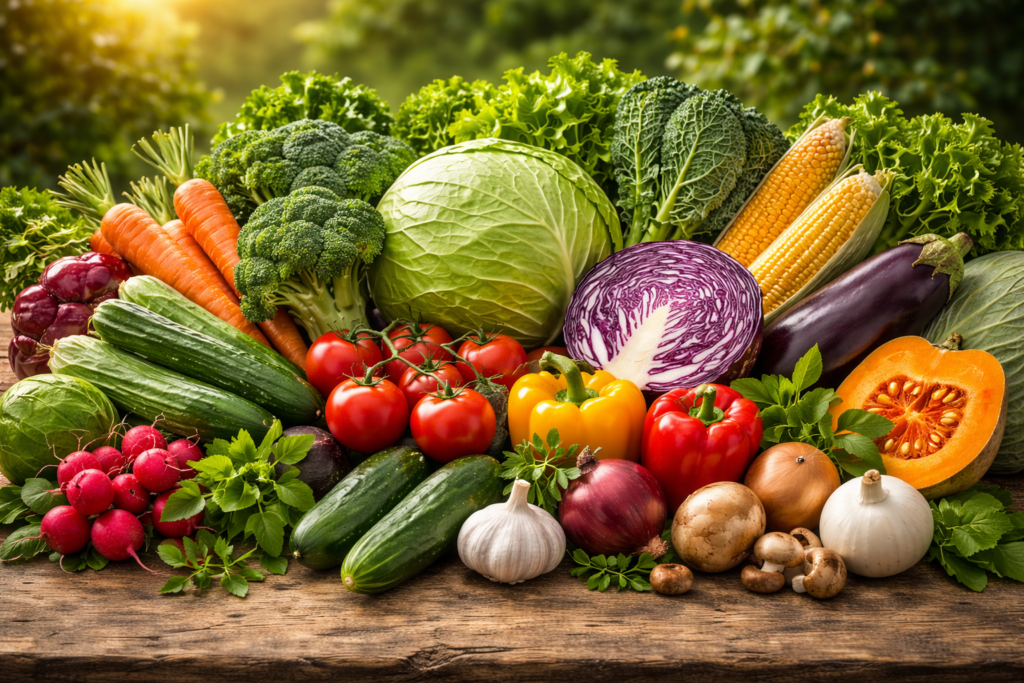
Nutrition also influences rest and recovery, which is why balanced diets rich in plant foods often support better sleep patterns as explained in The Science of Sleep.
The Compassion Question: Why Some People Reconsider Eating Animals
For many people, the turning point in their food choices is not science or nutrition—it is a moment of reflection about compassion and empathy.
Humans naturally feel affection toward animals. People form deep emotional bonds with pets such as dogs, cats, and birds. These animals are often seen as family members because they can express emotions, respond to affection, and display intelligence.
Yet, at the same time, society often treats other animals very differently—even though many of them possess similar capacities to feel fear, stress, and pain.
Modern research in animal behavior has shown that many animals demonstrate complex emotions and social intelligence. For example:
pigs have been shown to possess problem-solving abilities comparable to dogs
cows form social bonds within their herds
many animals exhibit signs of stress when separated from companions
These observations have led some people to ask a simple but powerful question:
If we care deeply about some animals, why do we treat others differently?
For those who ask this question seriously, vegetarian or plant-based eating can become a way of aligning everyday habits with a broader sense of compassion.
The goal for many is not to judge others, but to move gradually toward a lifestyle that reduces unnecessary harm wherever possible.
A Personal Choice
Everyone’s journey with food is different. Some people change their diets quickly; others take small steps over time.
But the growing interest in vegetarian and plant-based living suggests that more people are beginning to think about food in a deeper way—not just as taste or habit, but as a reflection of health, ethics, and responsibility toward the living world.
Sometimes, the most meaningful change begins with a simple realization:
Every meal is an opportunity to choose the kind of world we want to support.
A Final Thought for Reflection
Food is far more than nourishment—it is a quiet expression of how we choose to live.
The meals we eat every day reflect our awareness, our values, and the relationship we wish to maintain with the world around us. A vegetarian lifestyle, for many people, is not simply about avoiding certain foods. It represents a broader vision of living with greater health, empathy, and responsibility toward nature.
Every meal becomes an opportunity—an opportunity to choose vitality over disease, compassion over harm, and harmony over excess. What appears to be a small daily habit can gradually shape our physical well-being, our emotional balance, and even the impact we leave on the planet.
When we pause and think deeply about food, an important realization emerges: what we eat is never just a personal choice. It also influences ecosystems, animals, and future generations.
Throughout history, many thinkers have connected compassion toward animals with the dream of a more peaceful world. One powerful reflection comes from Leo Tolstoy:
“As long as there are slaughterhouses, there will always be battlefields.”
These words invite us to reflect on a profound idea: that the values we practice in our everyday lives—kindness, respect for life, and responsibility toward nature—can gradually shape the kind of world we create.
Choosing plant-based food is not merely a dietary preference. For many, it becomes a step toward living with deeper awareness, gratitude for the natural world, and compassion for all living beings.
And sometimes, the simplest decisions—like what we place on our plate—can quietly become some of the most meaningful choices we make for our body, our conscience, and the future of our planet.
“Perhaps the most powerful change in the world begins with the smallest decision—what we choose to eat today.”
Read More Interesting Content in My Blog Section.
Frequently Asked Questions (FAQ)
Can a vegetarian diet provide all essential nutrients?
Yes, a well-balanced vegetarian diet can provide all essential nutrients required for human health. Foods such as lentils, beans, nuts, seeds, whole grains, fruits, and vegetables supply proteins, vitamins, minerals, and fiber. Many health organizations confirm that properly planned vegetarian diets can support healthy living at every stage of life.
Do humans naturally need meat for survival?
Humans are adaptable and can digest various foods, but our digestive system and teeth structure allow us to efficiently consume plant-based foods such as grains, fruits, vegetables, and legumes. Many populations around the world have lived healthy lives on predominantly vegetarian diets for centuries.
Is it difficult to transition to a vegetarian lifestyle?
For most people, transitioning to vegetarian food becomes easier with gradual changes. Starting by adding more fruits, vegetables, legumes, and whole grains into daily meals allows the body and taste preferences to adapt naturally over time.
Why do many spiritual traditions encourage vegetarian food?
Many spiritual philosophies emphasize compassion, balance, and harmony with nature. Vegetarian diets are often associated with these values because they encourage mindful eating and reduce harm toward other living beings.
Why do many people reconsider eating animals after learning more about food ethics?
For many individuals, the decision to become vegetarian begins with awareness. When people learn more about how food choices affect animals, the environment, and human health, they often start reflecting on their own habits. This reflection does not necessarily come from judgment, but from a desire to live more consciously and compassionately. For some, choosing vegetarian food becomes a way to align everyday actions with values such as empathy, responsibility toward nature, and respect for life.