

What Is Consciousness? A Simple Understanding
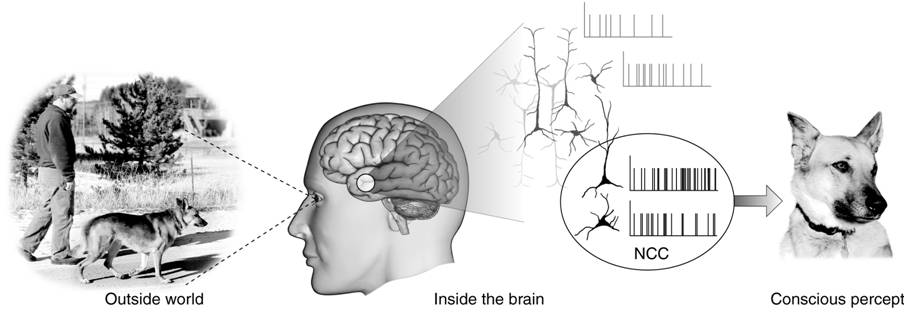
At its core, consciousness is your awareness — the ability to experience thoughts, sensations, and emotions.
When you:
- Feel happiness or sadness
- Recognize your own existence
- Observe your thoughts
👉 That is consciousness in action.
Unlike a machine, which processes information without awareness, humans experience reality. This subjective experience is what makes consciousness so mysterious.
Scientists often describe it as the “hard problem” of neuroscience — a term popularized by David Chalmers — because explaining how physical brain processes create subjective experience remains incredibly difficult.
🔬 The Scientific View: Brain as the Source
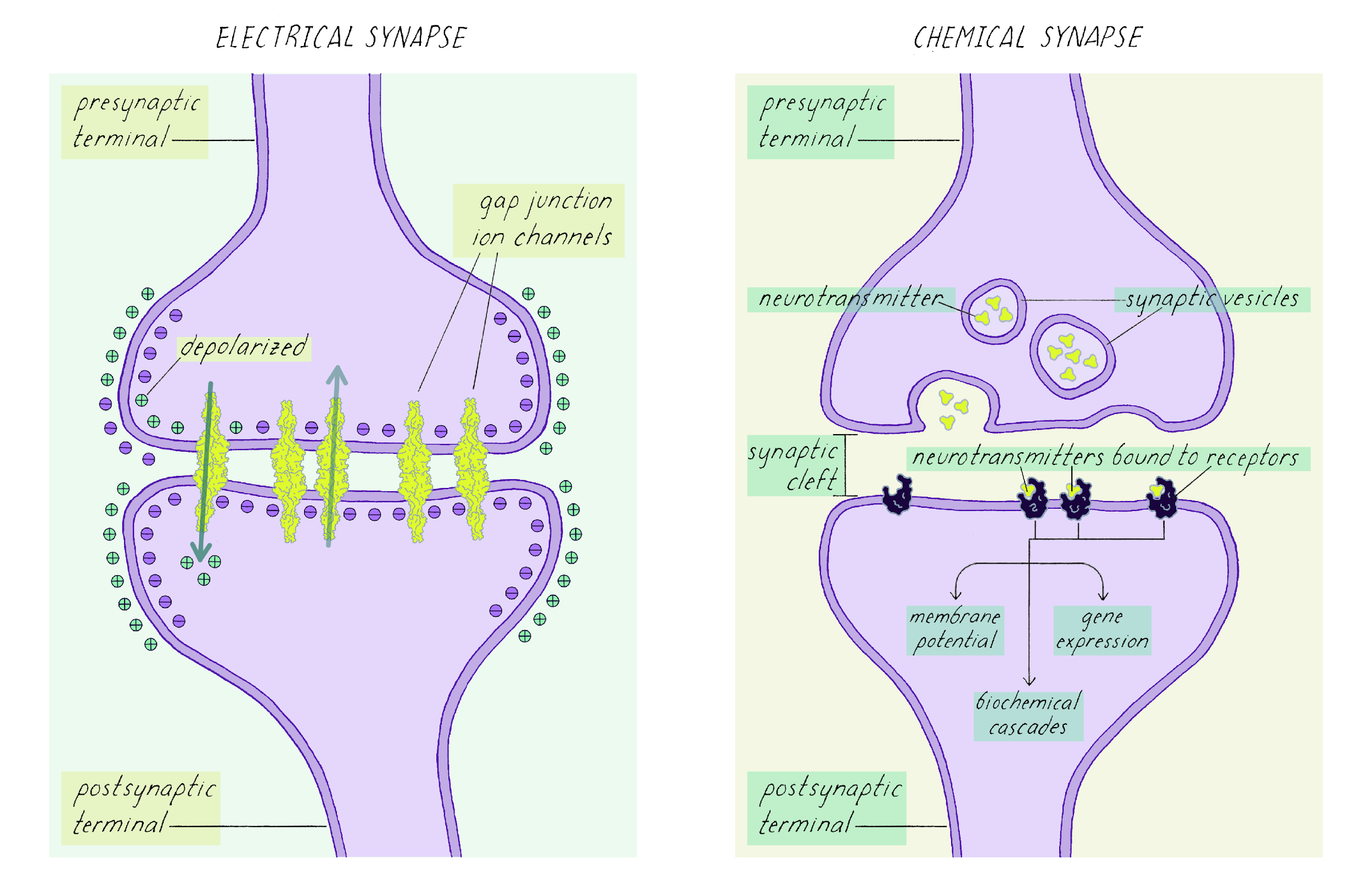

Modern neuroscience suggests that consciousness arises from complex interactions between billions of neurons in the brain.
Key areas involved include:
- The cerebral cortex (thinking and awareness)
- The thalamus (sensory processing)
- Neural networks that integrate information
When neurons communicate through electrical and chemical signals, they create patterns — and somehow, these patterns give rise to awareness.
But here’s the problem:
👉 We can observe brain activity, but we still cannot explain why it feels like something to be conscious.
This gap between physical processes and subjective experience is what makes consciousness such a profound mystery.
The Spiritual Perspective: Consciousness Beyond the Brain

While science looks at consciousness as a product of the brain, many spiritual traditions view it as something far more fundamental.
In texts like the Bhagavad Gita, consciousness is described as the true self (Atman) — eternal, unchanging, and beyond the physical body.
According to this perspective:
- The brain is not the creator of consciousness
- It is merely a receiver or instrument
- Consciousness exists independently of the body
This idea aligns with practices like meditation, where individuals report experiencing awareness beyond thoughts and physical sensations.
Can Machines Ever Become Conscious?

With the rapid rise of artificial intelligence, a new question has emerged:
👉 Can machines ever become conscious?
AI systems today can:
- Learn from data
- Recognize patterns
- Simulate conversations
But they lack true awareness.
Even the most advanced AI does not feel anything. It does not experience emotions, self-awareness, or existence.
“This distinction becomes clearer when we explore how AI is currently integrated into daily life, where machines assist but do not truly experience reality.”
This highlights a crucial difference:
👉 Intelligence ≠ Consciousness
The Hard Problem: Why Does Consciousness Exist?

Perhaps the biggest mystery is not how consciousness works—but why it exists at all.
Why does the universe produce beings that can:
- Think about their own existence?
- Question reality?
- Seek meaning and purpose?
Some theories suggest:
- Consciousness is an emergent property of complexity
- It may be a fundamental property of the universe
- It could be linked to quantum processes
Yet, none of these explanations are complete.
Consciousness and Daily Life: More Than Just Theory
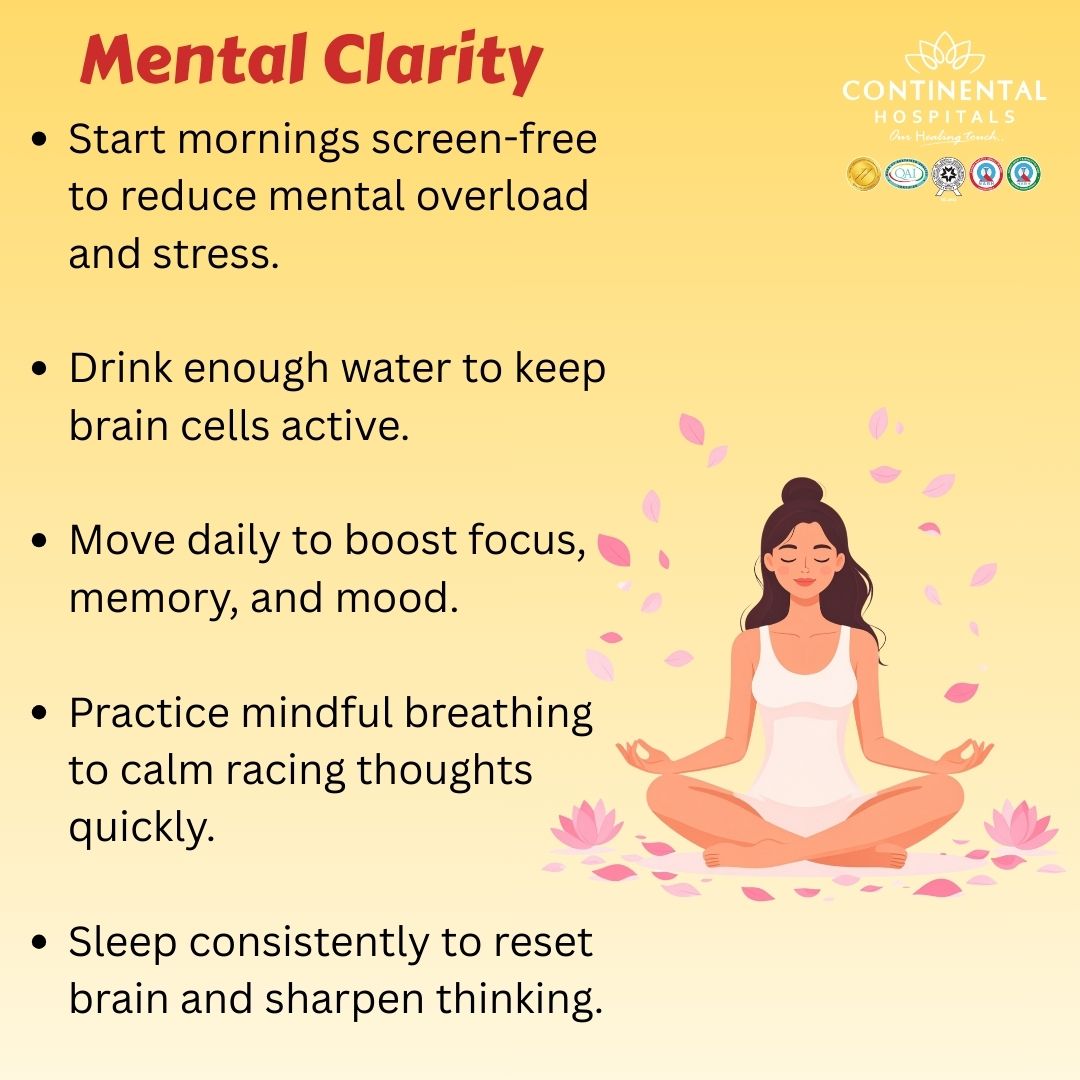
Understanding consciousness is not just a scientific or philosophical pursuit—it has real implications for how we live.
When you become more aware:
- You gain control over your thoughts
- You respond instead of reacting
- You experience life more deeply
Practices like mindfulness and meditation help strengthen this awareness, allowing individuals to explore consciousness firsthand.
The Future of Consciousness Research

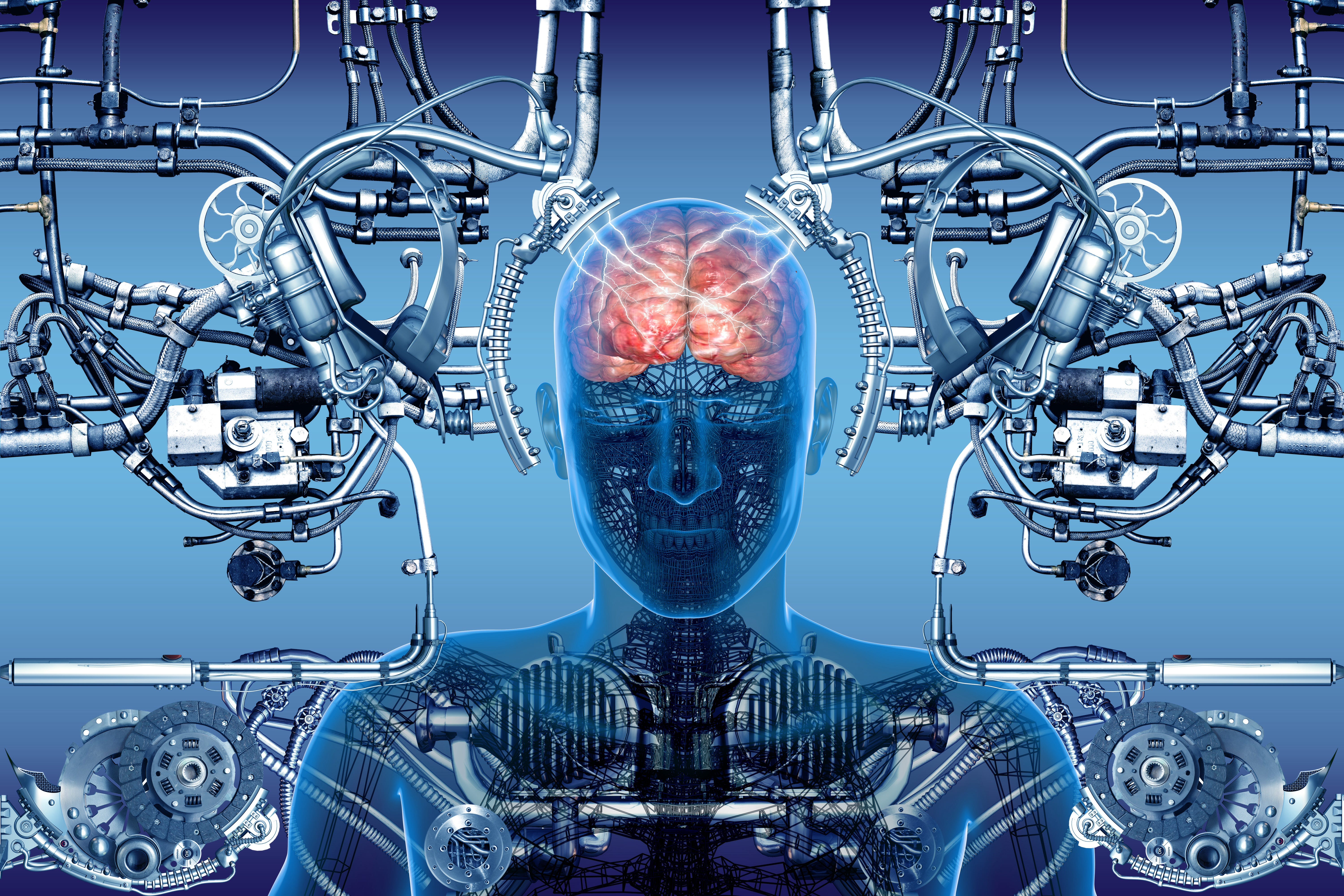
The study of consciousness is entering an exciting new phase.
With advancements in:
- Brain-computer interfaces
- AI-assisted neuroscience
- Neuroimaging technologies
Scientists are getting closer to understanding how the brain generates awareness.
But whether we will ever fully solve the mystery remains uncertain.